

 See My Latest Article on HelloNation
Before leaving Patchogue, NY for a long drive, check the vehicle’s safety systems, fluids, tires, visibility equipment, and emergency supplies. A few basic inspections can help prevent avoidable breakdowns and can also reveal collision-related damage that may not be obvious during short daily trips.
What should be checked first?
Start with the items that affect whether the vehicle can safely move, stop, steer, and remain visible. A quick inspection is useful, but a longer trip deserves more attention than a normal commute.
Check:
- Tire pressure, including the spare tire
- Tread depth and signs of uneven wear
- Engine oil level and service interval
- Coolant level and visible leaks
- Brake performance
- Battery condition and terminal corrosion
- Windshield condition and wiper operation
- Headlights, brake lights, turn signals, and hazard lights
- Mirrors, seat belts, and door latches
- Registration, insurance information, and roadside documents
Use the tire pressure listed on the driver’s door label or owner’s manual rather than the maximum pressure printed on the tire sidewall. Tires should be checked when cold, since driving heats the air inside them and changes the reading.
How can tire problems be prevented?
Tires deserve special attention before a road trip because underinflation creates additional heat and can increase the risk of a blowout. Overinflation can reduce traction and make the vehicle feel less stable, particularly on wet pavement.
Look for:
- Cracks, bulges, cuts, or objects lodged in the tread
- Tread wear that reaches the built-in wear indicators
- Uneven wear on one edge of the tire
- Vibration, pulling, or steering-wheel shaking
- A spare tire that is flat, damaged, or missing its tools
Uneven tire wear may point to an alignment or suspension problem. A vehicle that pulls to one side may also have a tire, brake, or steering issue. These conditions should not be ignored before a long trip.
Road surfaces, construction zones, and temperature changes can be especially hard on tires. In the warmer months, a heavily loaded vehicle and hot pavement can place additional stress on tires that are already worn or underinflated.
Should the brakes be inspected before traveling?
Yes. Brakes should feel consistent and predictable before a long drive. Warning signs include grinding, squealing that does not go away, a soft or sinking pedal, steering-wheel vibration during braking, or a vehicle that pulls to one side.
A small amount of surface rust can appear after a vehicle sits in damp conditions, but persistent noise, reduced stopping power, or a brake warning light requires attention. Do not rely on a dashboard light alone; some brake problems develop without an electronic warning.
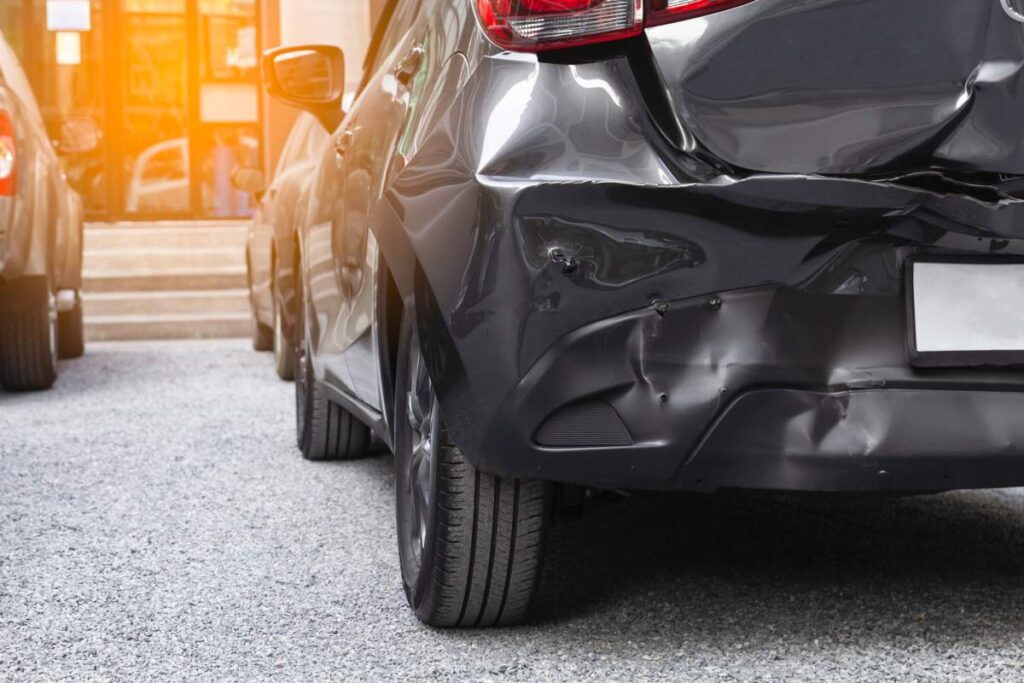
If the vehicle recently experienced a collision, inspect for more than visible bumper damage. A minor impact can affect wheel alignment, suspension components, brake lines, sensors, or the mounting points behind a bumper. A car that looks acceptable from the outside may still behave differently at highway speed.
Which fluids should be checked?
Fluid levels should be checked on level ground with the engine off and cooled when appropriate. The owner’s manual explains the correct method for each system.
Review:
- Engine oil
- Engine coolant
- Brake fluid
- Windshield washer fluid
- Automatic transmission fluid, if the vehicle has a serviceable dipstick
- Power-steering fluid, on vehicles that use hydraulic power steering
Do not open a hot coolant reservoir or radiator cap. A cooling-system leak can become a serious problem during a long drive, especially in warm weather or slow traffic. Look beneath the vehicle for fresh drops or wet areas, and pay attention to sweet smells, rising temperature readings, or visible steam.
Topping off a fluid does not fix the reason the level is low. A sudden drop may indicate a leak that should be addressed before traveling.
What visibility and lighting checks matter most?
Clean windows, functioning wipers, and working lights are essential in rain, darkness, glare, and spray from other vehicles. Replace wiper blades if they leave streaks, skip across the glass, or make contact unevenly.
Check that:
- Low beams and high beams operate
- Brake lights illuminate evenly
- Turn signals and hazard lights work
- License-plate lighting functions
- Headlight lenses are not severely cloudy
- The windshield has no crack in the driver’s viewing area
A windshield crack can spread because of temperature changes, vibration, or a bump in the road. Damage near the edge of the glass may spread more quickly than a small chip near the center.
How should the vehicle be packed?
Heavy items should be placed low and secured so they cannot move during sudden braking. Loose objects in the passenger compartment can become dangerous projectiles in a crash.
Keep the driver’s view clear, and avoid stacking luggage where it blocks the rear window unless the vehicle is designed for that arrangement. Check the vehicle’s load limits before carrying passengers, luggage, sports equipment, or roof-mounted cargo.
If using a roof carrier or external rack, confirm that it is properly attached and that the load is within its weight limit. Extra weight and wind resistance can affect braking, fuel use, handling, and clearance.
What emergency items belong in the vehicle?
A practical emergency kit should match the season and the type of trip. Useful items include:
- Phone charger and backup battery
- First-aid supplies
- Flashlight with spare batteries
- Reflective warning device
- Jumper cables or a charged jump starter
- Tire inflator and pressure gauge
- Basic tools
- Work gloves
- Drinking water
- Nonperishable snacks
- Blankets or warm layers
- Rain protection
- Necessary medications
Confirm that the jack, lug wrench, and wheel-lock key are present before departure. Many drivers discover that these tools are missing only after a flat tire occurs.
In colder weather, add an ice scraper, extra warm clothing, and supplies for waiting safely. In hot weather, carry more water and avoid leaving children, pets, or medication in a parked vehicle.
What should be checked after body damage or a recent repair?
A vehicle that has recently been involved in a collision should be tested under ordinary driving conditions before a long trip. Pay attention to new noises, wind entering around a door or window, water leaks, warning lights, steering changes, or panels that do not align correctly.
Also check that:
- Doors, hood, and trunk close securely
- Bumpers and splash shields are firmly attached
- Cameras and parking sensors function normally
- Airbag or restraint-system warning lights are off
- The vehicle does not pull, wobble, or vibrate
- No fluid is leaking from the damaged area
Modern vehicles may have radar, cameras, or other sensors behind exterior panels. If a collision affected the front, rear, windshield, mirrors, or bumper area, driver-assistance features may not operate correctly even when the damage seems minor.
How can the trip itself reduce vehicle strain?
Plan breaks rather than driving until fatigue develops. Stop safely to stretch, check the vehicle, and let passengers reset. During a break, look for a low tire, unusual fluid leak, loose trim, or a warning light that appeared during travel.
Avoid overloading the car, driving aggressively over potholes, or continuing after the temperature gauge rises unusually high. If the vehicle develops a strong burning smell, major vibration, loss of braking, steering difficulty, or an overheating warning, pull over safely and shut it down when conditions allow.
A short preparation routine gives Patchogue households a better chance of reaching their destination without turning a manageable maintenance issue, tire problem, or hidden collision concern into a roadside emergency.