

 See My Latest Article on HelloNation
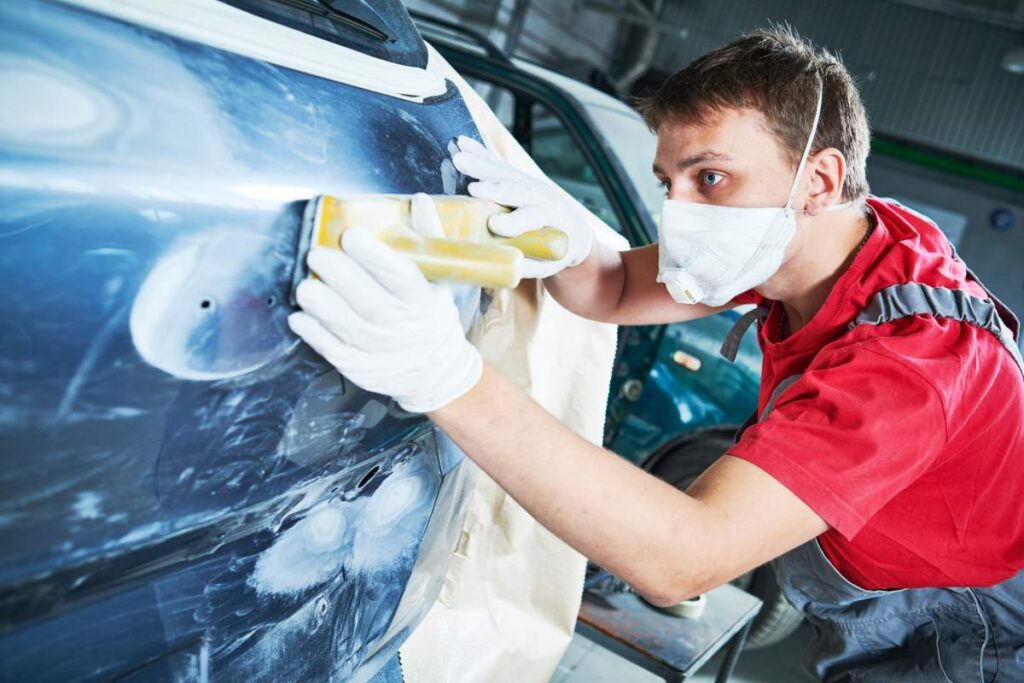
Wheel alignment affects how accurately a vehicle steers, how evenly its tires wear, and how confidently it responds to braking or road changes. Although alignment is not part of routine oil-change service, it becomes especially relevant after pothole impacts, curb strikes, suspension repairs, or a collision.
For drivers in Patchogue, NY, regular alignment checks can help identify small steering and suspension changes before they lead to expensive tire wear or less predictable handling.
What does wheel alignment actually adjust?
Wheel alignment is the process of measuring and, when possible, adjusting the angles of the wheels in relation to one another and to the road. The primary measurements are called camber, caster, and toe.
- Camber describes whether the top of a wheel tilts inward or outward when viewed from the front.
- Caster is the angle of the steering axis when viewed from the side. It helps the steering wheel return toward center after a turn.
- Toe describes whether the fronts of the tires point slightly toward or away from each other.
These angles are designed to fall within a specific range set for the vehicle. Even a small change can affect tire contact with the pavement. Alignment equipment measures the differences, while the vehicle’s suspension and steering components determine whether an adjustment is possible.
Alignment is different from tire balancing. Balancing addresses uneven weight distribution in a tire and wheel assembly, which commonly causes vibration at certain speeds. Alignment addresses wheel direction and suspension geometry.
How can a driver tell that alignment may be off?
The most recognizable sign is a vehicle that drifts or pulls to one side on a reasonably level road. However, roads are often crowned or sloped for drainage, so a slight movement does not always prove there is an alignment problem. A repeated pull on different roads is more meaningful.
Other warning signs include:
- A steering wheel that sits crooked while driving straight
- Tires wearing more on one edge than across the tread
- The vehicle feeling unsettled during turns
- A need for frequent steering corrections
- Scrubbing, squealing, or unusual tire noise during low-speed turns
- A vehicle that seems to wander after hitting a pothole or curb
Uneven tread wear can be particularly useful because it may reveal a problem before the driver notices a steering change. Inner-edge or outer-edge wear often points toward alignment or suspension concerns, although incorrect tire pressure, worn components, and tire defects can create similar patterns.
Why does alignment matter for tire life?
A properly aligned wheel allows the tire tread to meet the road more evenly. If the wheel points slightly away from the intended direction, the tire may drag across the pavement instead of rolling smoothly. That dragging increases friction and can wear a narrow strip of tread much faster than the rest.
The result may be premature tire replacement even when the tires are otherwise suitable. In severe cases, edge wear can reduce the amount of usable tread available during rain. Alignment cannot repair a tire that is already damaged, but correcting the underlying angle can prevent new tires from developing the same pattern.
Tire pressure still matters. Underinflation and overinflation can also cause uneven wear, so checking pressure according to the vehicle manufacturer’s specifications is part of the same basic maintenance routine.
How do Patchogue roads and seasonal conditions affect alignment?
Local driving conditions can contribute to alignment changes. Potholes, uneven pavement, abrupt road transitions, and contact with curbs can transfer force directly into the steering and suspension system. A vehicle does not need to suffer visible body damage for its alignment to change.
Seasonal conditions can add to the stress. Freeze-and-thaw cycles may worsen pavement irregularities, while winter road treatments and wet weather can make impacts harder to judge. In a relatively dense community with frequent stops, turns, parking maneuvers, and short trips, curb contact may happen gradually and be forgotten.
After a noticeable impact, pay attention to the vehicle over the next several drives. A new pull, crooked steering wheel, vibration, or tire noise deserves attention even if the exterior appears normal.
Should alignment be checked after a collision or body repair?
Yes, an alignment check is often sensible after a collision involving a wheel, tire, bumper corner, fender, or lower body area. The visible damage may be limited while hidden steering or suspension parts have shifted.
A collision-related inspection may include:
- Tie rods and steering links
- Control arms and ball joints
- Struts or shock absorbers
- Wheel bearings
- Subframes and mounting points
- Wheels and tires
- Steering-wheel position and road behavior
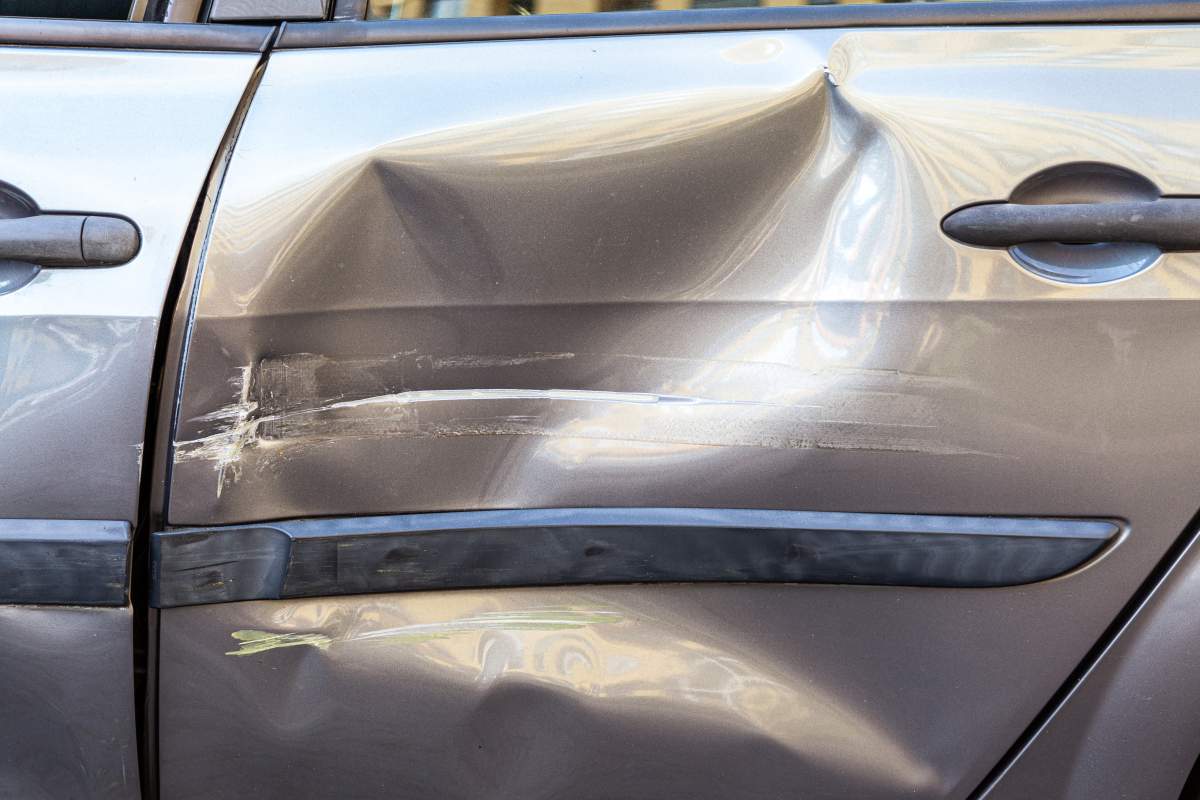
Alignment readings can also provide useful information during an auto body repair process. If the measurements cannot be brought within the vehicle’s specified range, a bent or worn component may be involved. Alignment is therefore not merely a tire issue; it can help reveal problems in the systems that control the vehicle’s direction.
How often should alignment be checked?
There is no universal mileage interval that applies to every vehicle. Many owners have alignment checked when symptoms appear, after a significant road impact, or whenever steering or suspension work has been performed.
A check may also be reasonable:
- When replacing multiple tires
- After installing or replacing suspension components
- If tire wear changes unexpectedly
- After a collision or hard curb strike
- When the steering wheel no longer centers normally
- Before a long trip if the vehicle has recently developed handling concerns
Some vehicles maintain alignment for many years, while others need attention sooner because of driving conditions, component wear, or repeated impacts. Regular visual tire inspections can help determine whether a check is warranted.
Can alignment problems create a safety concern?
An incorrect alignment does not always create an immediate emergency, but it can reduce control and shorten tire life. A vehicle that pulls may require more steering input, especially during braking or on a wet road. Excessive tire wear can also reduce traction and increase the chance of tire failure if the tread becomes dangerously thin.
A sudden change deserves more urgency than a long-standing, minor steering offset. Stop driving and seek prompt evaluation if the vehicle has severe pulling, a loose steering sensation, a visibly damaged tire, a wheel that appears tilted, or a new clunk after an impact. These symptoms may indicate a damaged suspension or steering part rather than alignment alone.
What should drivers ask about an alignment check?
A useful alignment inspection should identify the measured angles and whether they fall within the vehicle manufacturer’s specifications. It should also consider the condition of the tires, wheels, steering parts, and suspension components.
An adjustment cannot compensate for a bent or worn part indefinitely. If the readings change again soon after alignment, the underlying component may need to be examined. Keeping tire pressure correct and recording unusual handling after pothole or curb impacts can make diagnosis more accurate.
For local residents, the main takeaway is straightforward: alignment helps the vehicle roll, steer, and wear its tires as designed. It is most valuable when treated as part of collision, tire, steering, and suspension awareness—not as a substitute for inspecting those systems.