

 See My Latest Article on HelloNation
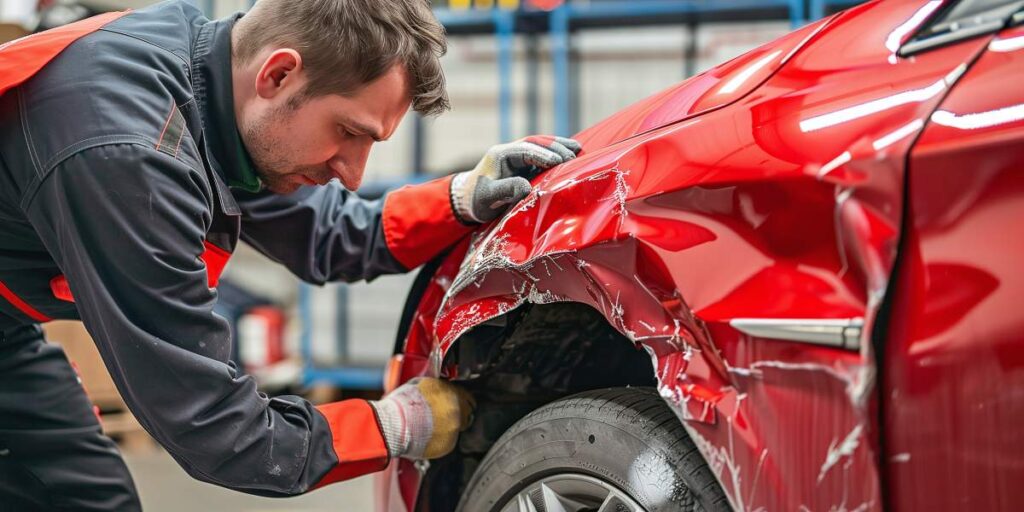
What does a timing belt do?
A timing belt keeps the engine’s camshaft and crankshaft turning in precise coordination. That timing allows the valves to open and close at the correct moment as the engine runs.
Timing belts are reinforced rubber components with molded teeth. Unlike the visible serpentine belt that powers accessories such as the alternator and air-conditioning compressor, a timing belt is usually enclosed behind protective covers. Because of that, it may wear out without obvious visual warning.
If a timing belt breaks while the engine is running, the engine can stop immediately. On many engines, the pistons and valves occupy overlapping space at different points in the combustion cycle. A broken belt can allow them to collide, causing bent valves or other internal damage.
How often should a timing belt be replaced?
The correct interval depends on the vehicle, engine, model year, driving conditions, and the manufacturer’s maintenance schedule. Many replacement intervals fall somewhere between about 60,000 and 105,000 miles, while time limits commonly range from five to seven years. Those figures are general examples, not a substitute for the schedule written for a specific vehicle.
The owner’s manual or manufacturer maintenance guide should be the first source to check. The interval is usually based on whichever comes first:
- The recommended mileage
- The recommended age of the belt
- A specified inspection finding
- Severe operating conditions
A vehicle driven only a few thousand miles each year can still need a timing belt because rubber ages even when the car is parked. Short trips, long periods of sitting, engine heat, oil contamination, and repeated temperature changes all affect belt life.
What are the signs that a timing belt needs replacement?
A timing belt often provides no dependable warning before failure. That is why replacement is generally preventive rather than symptom-based. Still, several symptoms can indicate that the belt, tensioner, pulleys, or another timing component needs immediate attention:
- Ticking, slapping, squealing, or chirping from behind the timing cover
- Difficulty starting the engine
- An engine that runs roughly or misfires
- Sudden loss of power
- The engine turning over faster than usual without starting
- Oil leaking near the timing-belt cover
- Visible belt damage during an authorized inspection
These symptoms do not prove that the timing belt itself is failing. A serpentine belt, water pump, ignition component, or internal engine problem can produce similar sounds or performance issues.
A check-engine light may also appear, but it is not a reliable early warning. The belt can be badly worn or close to failure without triggering a warning light.
Is mileage more important than age?
Both matter. A vehicle with low mileage may still have an original timing belt that is old enough to require replacement. Conversely, a high-mileage vehicle may have received a replacement belt recently and not need another one yet.
This can be especially relevant for area households that use a second vehicle seasonally, keep an older vehicle for occasional errands, or leave a car parked for extended periods. Infrequent driving does not stop the aging process of rubber and its reinforcing materials.
If maintenance records are missing, the belt’s history should be treated as unknown. A sticker under the hood, service invoice, or vehicle-history record may show when replacement was performed. If the vehicle is near or beyond the recommended interval and there is no reliable documentation, waiting for a noise is risky.
Should the water pump and tensioners be replaced at the same time?
Often, yes. Many timing-belt systems include a tensioner, idler pulleys, and sometimes a water pump driven by the same belt. These parts operate together and can wear at similar rates.
Replacing only the belt may leave an aging tensioner or pulley in place. If one of those components locks up or develops excessive play, it can damage the new belt. On engines where the water pump is driven by the timing belt, a leaking or failing pump can create the same type of major problem.
The exact parts included in a replacement should be based on the vehicle’s design and the condition of the system. Common related items include:
- Timing belt
- Tensioner
- Idler pulleys
- Water pump, when belt-driven
- Seals if oil leakage is present
- New fasteners where the manufacturer requires them
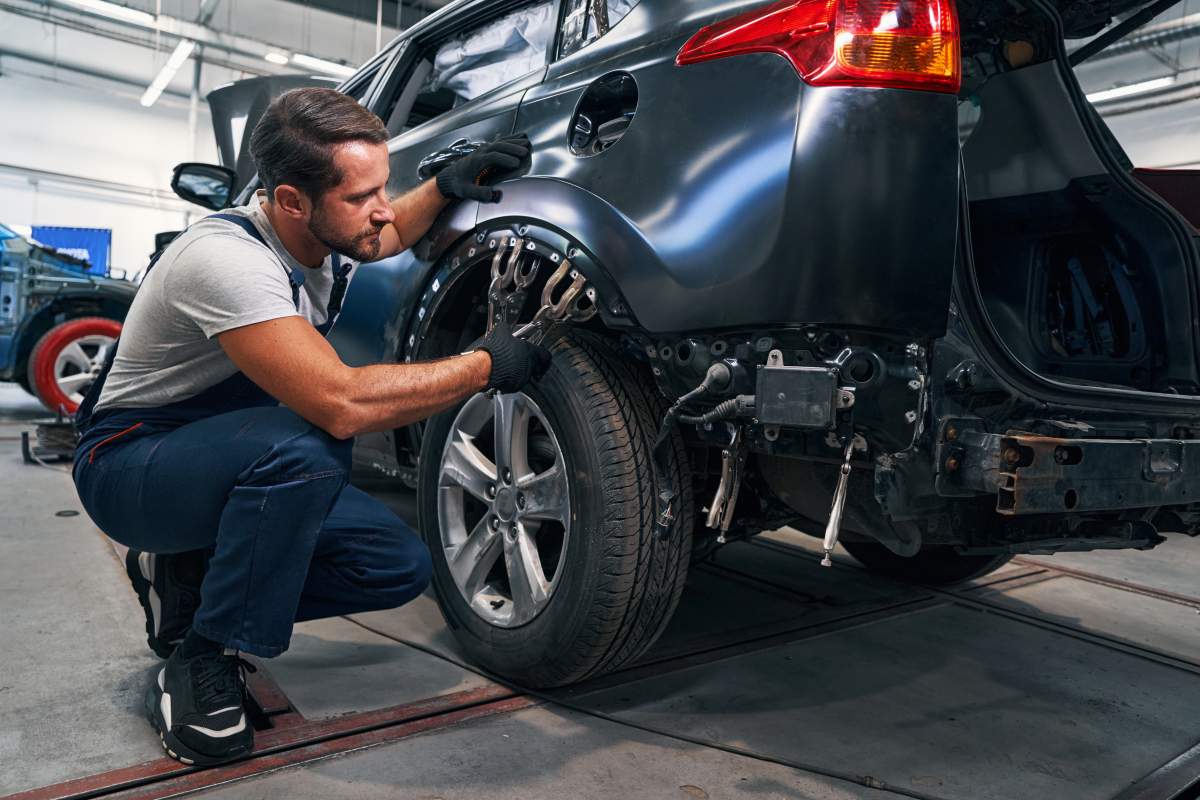
Replacing related parts at the same time can avoid duplicating extensive labor later, but not every vehicle uses the same configuration.
Does every vehicle have a timing belt?
No. Some engines use a timing chain instead. A chain is made of metal and usually has a different maintenance pattern, but it is not automatically maintenance-free. Timing chains can stretch, and their guides, tensioners, and sprockets can wear.
A timing chain may produce rattling during startup or cause engine timing faults, but the symptoms are not always obvious. The owner’s manual, vehicle identification information, or service records can confirm whether an engine uses a belt or chain.
A serpentine belt is also different from a timing belt. The serpentine belt is usually visible under the hood and drives accessories. Replacing a cracked serpentine belt does not address an aging timing belt hidden behind its cover.
Can an accident or body repair affect timing-belt decisions?
A collision does not normally change the scheduled replacement interval. However, front-end damage, engine movement, overheating, fluid leaks, or impact near the engine can create related concerns.
If a vehicle has been involved in a significant crash, an inspection may identify:
- Coolant or oil leaks near the engine
- Damage to belt covers or mounting brackets
- A shifted engine or damaged accessory drive
- Cooling-system problems that caused overheating
- Contamination from oil or coolant
Salt used during winter weather can also accelerate corrosion on exposed fasteners, brackets, and surrounding components, although it does not provide a reliable way to judge the condition of the enclosed timing belt itself. Seasonal temperature swings and summer heat add further stress to rubber components.
Timing-belt replacement is an engine-maintenance issue rather than ordinary auto body repair. Still, it may come up during collision-related evaluation when the engine compartment has been damaged or when an older vehicle’s maintenance history is being reviewed.
What should be done if the replacement history is unknown?
Check the owner’s manual, maintenance records, under-hood labels, and prior repair paperwork. Confirm the vehicle’s engine and model year because different engines in the same model line can use different schedules.
If the vehicle is past the manufacturer’s interval, has an unknown belt history, or shows timing-related symptoms, continued driving can create unnecessary risk. A failed belt may leave the vehicle unable to move and may cause engine damage that is far more extensive than routine preventive maintenance.
The safest decision is based on the manufacturer’s age-and-mileage interval, not on whether the belt looks acceptable from above. Timing belts are enclosed, and appearance alone cannot reliably establish remaining service life.