

 See My Latest Article on HelloNation
What causes a vehicle to overheat in summer?
A vehicle may overheat when the cooling system cannot remove heat from the engine efficiently. Hot weather adds stress, but summer temperatures alone usually do not cause a healthy vehicle to overheat. Problems such as low coolant, a damaged radiator, a failing thermostat, a worn belt, or restricted airflow are more common causes.
In Patchogue, NY, summer driving can combine high temperatures with stop-and-go traffic, short trips, heavy air-conditioning use, and long periods of idling. Coastal humidity and sun exposure can also make a vehicle feel hotter inside and outside, although the cooling system still depends mainly on proper coolant circulation and airflow.
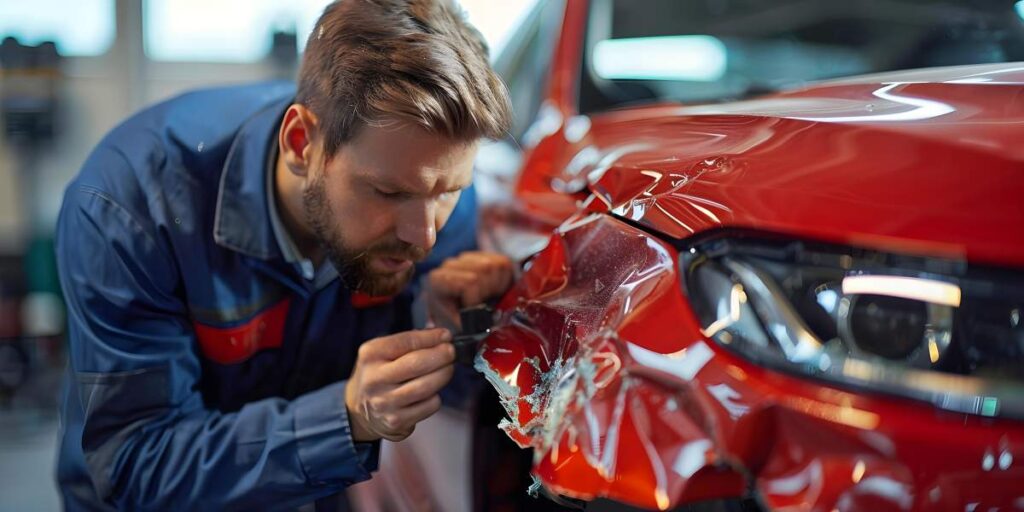
A vehicle may be at higher risk after a collision, even when the exterior damage appears minor. The radiator, condenser, cooling fans, grille, underbody panels, and coolant lines can be bent, cracked, or displaced. These problems may not become obvious until the vehicle is driven in hot conditions.
How can drivers prevent overheating before a summer trip?
The most effective prevention is a basic inspection before hot-weather travel. With the engine completely cool, check the coolant reservoir and look for signs of leakage around the radiator, hoses, water pump area, and beneath the vehicle.
Useful checks include:
- Confirming that the coolant level is between the marked minimum and maximum lines.
- Looking for cracked, swollen, soft, or collapsed hoses.
- Inspecting the serpentine belt for fraying, severe cracking, or missing sections.
- Checking whether the front grille and radiator area are blocked by leaves, plastic, dirt, or insects.
- Making sure the temperature gauge normally remains near its usual operating position.
- Looking for dried coolant residue, which may appear white, green, pink, orange, or yellow depending on the coolant type.
Never remove a radiator cap while the engine is hot. Pressurized coolant can cause serious burns. If the reservoir is empty or the vehicle has recently lost coolant, adding fluid may only provide temporary relief. A leak needs to be identified before normal driving continues.
Does using the air conditioner cause a vehicle to overheat?
A functioning vehicle should be able to run the air conditioner without overheating. However, air-conditioning use increases the heat load around the engine compartment and places additional demand on the cooling fans and belt-driven components.
If the temperature gauge rises mainly while the air conditioner is running, possible causes include a weak cooling fan, a damaged fan shroud, a restricted radiator, low coolant, or a problem with the air-conditioning system that increases pressure and heat. Turning off the air conditioner may reduce the load temporarily, but it does not correct the underlying problem.
During very hot weather, avoid leaving the vehicle idling for long periods with the air conditioner running if the cooling system has shown any warning signs. Pay attention to unusual fan noises, a sweet coolant odor, steam, or a temperature gauge that moves higher than usual.
What driving habits reduce summer overheating risk?
Driving habits can help a healthy cooling system work more effectively. Long periods of idling are especially demanding because the vehicle depends on electric or mechanical fans rather than moving air through the radiator.
In traffic, leave enough space to move gradually instead of repeatedly accelerating and braking. If the temperature begins to rise, turn off the air conditioner, reduce engine load, and move to a safe location. Do not continue driving simply because the vehicle still feels responsive; serious engine damage can occur before a complete breakdown.
For longer trips:
- Check the temperature gauge periodically rather than waiting for a warning light.
- Avoid carrying unnecessary weight, especially in the trunk or cargo area.
- Use lower gears on steep roads when appropriate so the engine does not struggle.
- Take breaks during extended travel, particularly if the vehicle has a history of cooling problems.
- Do not rely on the heater as a routine solution. It may draw heat from the engine temporarily, but it signals that the system needs attention.
Stop driving if the gauge reaches the red zone, steam comes from under the hood, the engine loses power, or a warning message directs the driver to stop.
How can collision or body damage affect engine cooling?
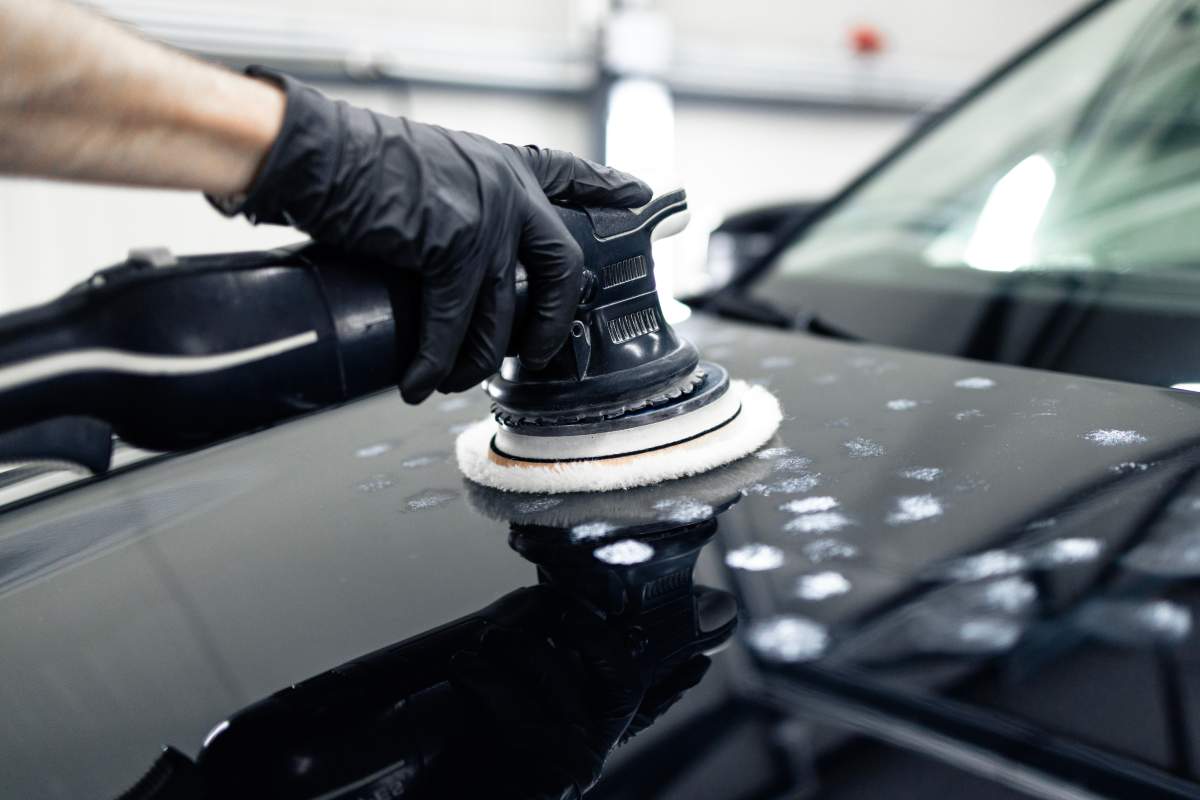
The front of a vehicle is designed to direct air through the grille and across the radiator. A bent bumper reinforcement, grille, radiator support, splash shield, or underbody panel can change that airflow. Even a small impact may also damage the radiator or air-conditioning condenser positioned near it.
Warning signs after a collision include:
- A temperature gauge that runs higher than before the impact.
- Coolant spots beneath the front of the vehicle.
- A grille or bumper that appears pushed inward.
- Cooling fans that do not operate when the engine is hot.
- New rattling, rubbing, or fan noises.
- An engine compartment that smells sweet after driving.
- A lower splash panel hanging down or missing.
Exterior panels can sometimes hide damage to components behind them. A vehicle that looks acceptable from the outside may still have restricted airflow or a slow coolant leak. Overheating after a crash should be treated as a safety and mechanical concern, not merely a cosmetic issue.
What should drivers do if the temperature rises?
If the gauge begins moving above its normal position, turn off the air conditioner and reduce the engine load. Pull over as soon as it is safe, shut off the engine, and allow it to cool. Keep the hood closed if steam is escaping, since opening it can expose someone to hot vapor or moving components.
Do not pour cold water onto a hot engine. Rapid temperature changes can damage components, and the source of the problem may still be pressurized. Do not attempt to remove the radiator cap until the engine has cooled completely.
After cooling, check for obvious leaks from a safe distance. If coolant is visibly leaking, the vehicle has no coolant, the belt is broken, or steam continues, driving farther can cause major engine damage. Hazardous roadside conditions, moving traffic, fire risk, and hot pressurized components may require assistance rather than an attempt to continue.
Are coolant additives and water enough to prevent overheating?
Coolant additives are not a substitute for a functioning cooling system. Plain water may be used only as an emergency measure in limited circumstances, such as reaching a safe location, and it does not provide the corrosion protection, boiling-point protection, or freeze protection supplied by the correct coolant mixture.
Use the coolant type specified for the vehicle and avoid mixing incompatible formulas. Do not open the system while hot. If the coolant level repeatedly drops, the problem may involve a hose, radiator, water pump, thermostat housing, head gasket, or another component.
Regular maintenance also matters. Coolant should be replaced according to the vehicle manufacturer’s service schedule, and the system should be checked whenever the vehicle has front-end damage, a persistent warning light, or a change in temperature-gauge behavior. Careful attention before the hottest driving days can help identify cooling problems before they become roadside emergencies.