

 See My Latest Article on HelloNation
How Can Local Climate and Driving Conditions Affect Fuel Efficiency?
The seasonal fluctuations in Patchogue, NY directly influence how efficiently vehicles use fuel. Cold winters can increase engine warm-up times, while hot summers often lead to more idling as drivers rely on air conditioning. Wet or snowy weather can make roads slick, causing more stop-and-go movement, which uses extra fuel.
Understanding these local factors helps residents make realistic adjustments:
- In colder months, limit idling and avoid warming up cars for extended periods—modern engines warm quickly once driving.
- During warm spells, use air conditioning judiciously and park in shaded areas when possible to reduce cabin heat.
What Driving Habits Waste the Most Fuel?
Aggressive or inconsistent driving habits can significantly reduce gas mileage, even around suburban Patchogue. Quick starts, rapid acceleration, and sudden braking all force the engine to work harder.
To improve fuel efficiency:
- Accelerate smoothly and brake gradually.
- Maintain a steady speed—using cruise control on the highway can help.
- Anticipate traffic signals and coast when safe, rather than making frequent, abrupt stops.
A common misconception is that driving faster always gets you where you’re going more quickly. In reality, speeds above 60 mph typically lead to more fuel burned per mile.
How Does Routine Maintenance Help Save Gas?
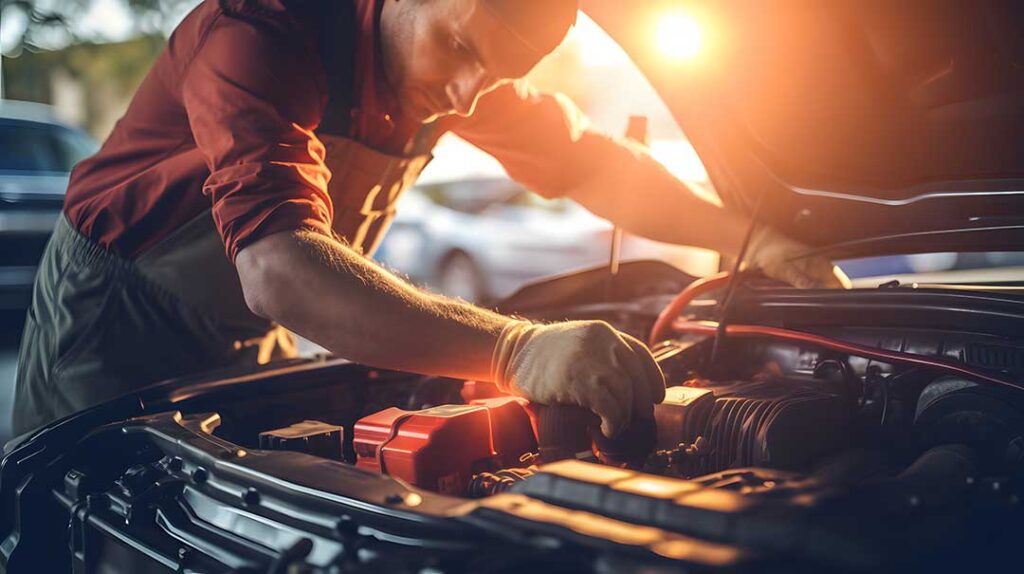
Consistent upkeep ensures your car performs efficiently, especially on Patchogue’s mix of main roads and neighborhood streets. Neglected maintenance is a frequent cause of diminished gas mileage.
Critical steps include:
- Checking tire pressure monthly—underinflated tires increase rolling resistance and use more fuel.
- Replacing air filters as recommended. A clogged filter reduces engine efficiency.
- Ensuring motor oil is the right grade and changed at intervals specified in the owner’s manual.
- Keeping up with spark plug and fuel system maintenance.
Residents often overlook the effect of tire alignment. Poor alignment creates drag, requiring extra work from your car’s engine.
Are There Simple Ways to Adjust Everyday Habits for Better Mileage?
Small, regular changes can have a noticeable impact. Reducing extra weight is one overlooked strategy—many drivers carry sports equipment, tools, or other items year-round, increasing vehicle load.
Other habit changes that help:
- Remove rooftop cargo carriers and racks when not in use. They affect aerodynamics.
- Plan errands to combine trips and avoid excessive short drives with a cold engine.
- Use windows instead of air conditioning at low speeds, but switch to A/C at higher speeds if comfort is needed, as open windows can increase drag.
- Refuel in the early morning or late evening during summer to minimize fuel evaporation.
Can High Gas Prices in Patchogue Make Certain Vehicles More Cost-Effective?
With area gas prices rising at times, families and commuters may wonder if switching vehicles is worthwhile. Modern cars, especially hybrids and efficient conventional models, can offer significant mileage gains versus older, larger vehicles or trucks.
However, for those not planning a purchase, optimizing the current vehicle’s fuel economy makes a bigger difference over time than most temporary measures, such as using fuel additives or premium gasoline when not required by the engine.
What Are Misunderstood Methods for Improving Gas Mileage?
Local residents occasionally turn to less-effective strategies, often due to myths or outdated advice. Examples include:
- Topping off the tank after the nozzle clicks off. This can damage the evaporative emissions system and won’t increase mileage.
- Using high-octane (premium) fuel in engines designed for regular gas—this does not offer better fuel efficiency unless specifically recommended.
- Coasting in neutral or switching off the engine at stops (unless your car is equipped with automatic stop-start technology). Both actions can be unsafe and unlikely to improve mileage meaningfully.
Sticking to proven techniques and following manufacturer guidelines is generally more effective in improving everyday driving economy.
Is Carpooling or Public Transit a Realistic Option in Patchogue?
While not as widely used as in dense urban centers, carpooling can reduce both traffic congestion and fuel bills. In Patchogue, larger employers, schools, and community groups sometimes organize ride-sharing for commuting or events, which can lessen overall fuel use for local households.
Patchogue’s transit options, including the Long Island Rail Road and bus routes, provide alternatives for some residents, especially for commutes into neighboring communities. Those able to combine transit and driving may see notable savings on fuel over time.